

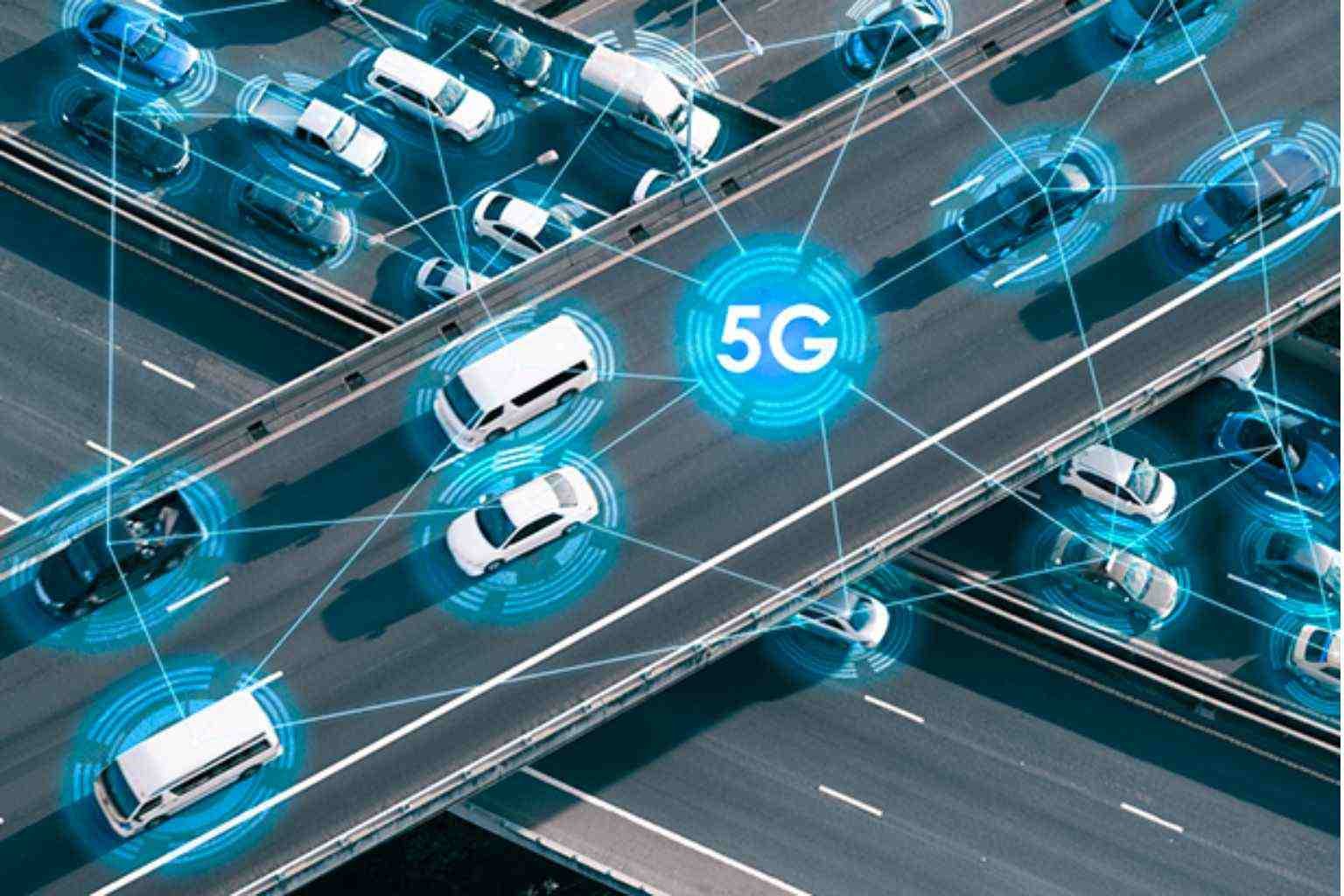
Vehicles are no longer simply mechanical devices. They are now evolving into connected, smart systems that talk to drivers, other cars on the road, and even devices installed in streets. The driving force behind this change is 5G. 5G with ultra fast speed and minuscule lag times is making the roads safer, revolutionizing traffic management systems and introducing a whole new driving experience. With networks maturing, automotive is moving from being a stand-alone machine to being an active part of the connected mobility ecosystem.”
1. What 5G Means for Modern Cars
5G is the fifth generation of mobile network technology, intended to provide fast data speeds and low lag responsive times. For vehicles, this requires direct communication between the systems onboard in real time. Vehicle should be able to communicate real time both send and receive important information like safety on the roads.
2. Why There’s Demand What we have now isn’t enough.
Prior networks are good for navigation, and information and entertainment however real-time safety requirements are causing issues. Even a few seconds of delay can lead to collisions. 5G brings response times down to milliseconds, ideal for tools where every second counts.
3. Vehicle to Everything Communication Explained
One of the biggest benefits of 5G is vehicle to everything communication, often called V2X. Cars can communicate with:
- Other vehicles to avoid collisions
- Traffic signals to optimize speed
- Pedestrian devices for safety alerts
- Road infrastructure for hazard warnings
- Emergency services for faster response
This ongoing information feedback helps other drivers on the road.
4. How 5G Improves Road Safety
5G lets cars sense hazards before they’re visible to drivers. A car in front could alert others to sudden braking or cross-traffic. You could have traffic lights that can change their timing according to real time traffic flow. These characteristics also diminish accidents and aid in general road safety.
5. Supporting Autonomous and Assisted Driving
Autonomous and ADAS systems are highly dependent on faster and reliable data. 5G is the network backhaul to make these technologies function safely. Cars can analyze cloud data, maps and sensor information in real time to aid decision making on the road.
6. Smarter Traffic and Reduced Congestion
Smart cars and smart roads are part of the answer to congestion. With vehicle data, cities can more efficiently manage flow on the streets. So drivers save time and fuel if the navigation systems can recommend better routes based on the real-time conditions.
7. Enhanced In Car Experience
The benefits of 5G To go with that safety proposition, 5G brings a handful of perhaps lesser-noticed improvements to the driving experience. High resolution streaming, live-to-air updating and cloud services are all just a click away. Riders get a better connection, and drivers listen to real-time information, distraction-free.
8. Challenges in Adopting 5G for Cars
Some of the challenges that must be addressed, however, are:
- High infrastructure and rollout costs
- Scant 5G support outside of cities
- Cybersecurity risks in connected systems
- Standardization across car manufacturers
- Dependence on reliable network availability
Overcoming these challenges is critical to the widespread use of this technique.
9. Role of Governments and Automakers
Governments and auto companies need to collaborate on creating smart infrastructure. We need policies, standards and investment in place to ensure compatibility and safety. It really depends on collaboration to determine when 5G based mobility can be available to the mass.
10. The Future of Driving With 5G
Cars will become safer, smarter and more efficient as 5G coverage increases. Roads will react to cars and trucks, vehicles will communicate without the need for drivers, and accidents will decrease dramatically. It’s not just a question of speed. They are about making roads safer and forging a better future for mobility.
Key Takeaways
5G It´s changing the way we drive by allowing vehicles to start talking in real-time with everything around them. Faster connections also translate to safer roads, smarter traffic systems and more advanced driving technology. It isn’t without obstacles of course, but 5G is on track to help us create that safer more connected driving for the future.
FAQs:
Q1. How does 5G make cars safer?
That allows for vehicle-to-vehicle and vehicle-to-infrastructure communication in real time, which the car industry believes should go far toward stopping accidents.
Q2. Do you really need 5G for self-driving cars?
Sure, we need low latency and quick data sharing for self-driving vehicles.
Q3. Will 5G be available in older cars?
Yes, if other hardware and software components are added.
Q4. Does 5G improve navigation systems?
Yes, it does that has real time traffic and speedy route guidance.
Q5. When will 5G cars be the norm?
Adoption is growing and will continue to grow with network coverage.
