

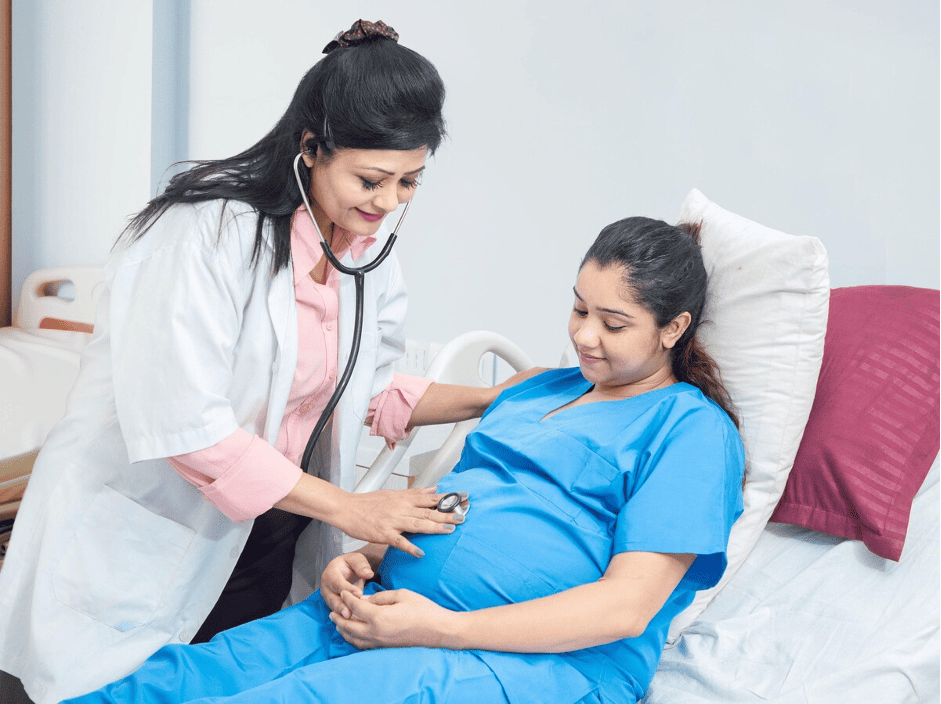
Navigating the costs of childbirth without pregnancy insurance can be a daunting prospect, but several avenues exist to secure high-quality, low-cost care. While many believe that health insurance is the only way to afford a safe delivery, public health initiatives, NGO-backed clinics, and hospital-specific “maternity packages” offer viable alternatives for families in need. Understanding how to access these resources is essential for ensuring both maternal and neonatal health without incurring life-altering debt.
The Financial Challenge of Uninsured Pregnancy
The cost of delivery, especially in private urban hospitals, has seen a sharp increase in 2026. For a family without pregnancy insurance, a C-section or a stay in the Neonatal Intensive Care Unit (NICU) can lead to financial catastrophe. However, the lack of a private health insurance policy does not mean a lack of options. India’s public healthcare infrastructure and various social safety nets are specifically designed to provide “Right to Health” access for expectant mothers, regardless of their insurance status.
Leveraging Government Schemes: PMJAY and Beyond
The most significant resource for low-cost maternity care in India is the Ayushman Bharat (PM-JAY) scheme.
- Eligibility: If you meet the socio-economic criteria, your delivery—including pre-natal checkups and post-natal care—is 100% free at empanelled hospitals.
- Janani Suraksha Yojana (JSY): This scheme provides cash incentives to pregnant women for giving birth in government or certified private health facilities, specifically aimed at reducing maternal mortality.
- State-Specific Plans: Many states have their own versions of maternity support, such as the “Mamta” scheme, which provides nutritional support and free diagnostic tests.
Negotiating “Maternity Packages” in Private Hospitals
If you prefer a private facility but lack insurance, the “Package” route is the most cost-effective. Most hospitals offer a “Fixed-Price Maternity Package” that includes:
- The Delivery Fee: Surgeon and anaesthetist charges.
- Room Rent: Typically for a 2-3 day stay.
- Standard Pharmacy: Basic medicines and consumables. By opting for a package and paying upfront or in installments, you can often save 30-40% compared to a “pay-as-you-go” billing system. Always ask for a “written estimate” of what the package excludes to avoid surprises.
Charitable Hospitals and NGO Clinics
In every major city, there are “Trust-run” or charitable hospitals. These institutions provide high-quality medical care at a fraction of corporate hospital prices. Institutions like the Mission Hospitals or those run by religious trusts often have sliding-scale fees based on a family’s income. Additionally, NGOs focused on maternal health can provide “Antenatal Care” (ANC) services for free or at a nominal cost of ₹100-200 per visit, ensuring the pregnancy is monitored safely even without a premium policy.
Proactive Steps for the Uninsured
If you find yourself pregnant without insurance, time is of the essence.
- Register at a Government Primary Health Centre (PHC): Even if you plan to deliver at a private hospital, having a “Mother and Child Tracking” card from a PHC ensures you get free vaccines and iron/folic acid supplements.
- Start a “Maternity Fund”: Treat your monthly savings like an insurance premium.
- Look for “Day-One” Community Plans: Some micro-insurance or community-based groups offer small-scale maternity benefits with very short waiting periods. While pregnancy insurance is the ideal safety net, the combination of government support and strategic planning at charitable institutions ensures that every “pregnant lady” can access the care she deserves.
Utilizing Government Medical Colleges for Specialized Care
For high-risk pregnancies where a standard Health Insurance policy is absent, Government Medical Colleges (GMCs) represent the gold standard for low-cost, high-tech care. In 2026, these institutions will be upgraded with modern labor rooms and advanced NICU facilities. Unlike smaller private clinics, GMCs handle complex cases—such as multiple births or gestational diabetes—with specialized teams that do not charge the exorbitant consultation fees found in the private sector.
By registering early at a medical college, an uninsured woman can access fetal medicine specialists and high-end radiology services. Most of these services are either free or provided at a nominal “user charge” of less than ₹500. This is a crucial alternative for those who missed the window to purchase pregnancy insurance before conception, as it ensures that the lack of a private policy does not translate to sub-standard medical intervention.
The Role of Employee State Insurance (ESI) for Working Women
Many low-to-middle-income workers are unaware that they might already be covered under the Employee State Insurance (ESI) scheme. If a woman is employed in a factory or an establishment with more than 10 employees and earns below a certain threshold, she is entitled to full maternity benefits. This acts as a powerful substitute for a private Health Insurance plan, covering everything from the first prenatal visit to the final delivery at ESI hospitals or tied-up private facilities.
The ESI benefit also includes a “maternity leave” salary, providing financial liquidity when the mother is unable to work. For families who do not have a separate pregnancy insurance rider, checking ESI eligibility is a vital step. The coverage is comprehensive and often includes medications that would otherwise be very expensive in the open market.
Crowdfunding and Community Health Cooperatives
In the digital age of 2026, medical crowdfunding has emerged as a legitimate way to manage unexpected maternity costs. Platforms like Milaap or Ketto allow families to raise funds for emergency C-sections or prolonged NICU stays. This community-driven “insurance” model relies on the power of social networks to cover costs that a traditional Health Insurance policy would typically handle.
Additionally, many local communities and cooperative societies have started “Health Funds.” Members contribute a small monthly fee, and in return, the cooperative pays for a portion of the delivery expenses. While this is not as formal as professional pregnancy insurance, it provides a community safety net that can significantly reduce the out-of-pocket burden on a young family.
Exploring Telehealth for Affordable Prenatal Monitoring
One of the most cost-effective shifts in 2026 is the use of government and low-cost private telehealth platforms for routine check-ups. Instead of paying ₹1,000 for every physical visit to an OB-GYN, expectant mothers can use apps like eSanjeevani (the National Teleconsultation Service of India) for free consultations. This ensures that the pregnancy is monitored by qualified doctors without the overhead costs of hospital visits.
Telehealth platforms are excellent for discussing non-emergency issues like diet, vitamin supplements, and minor discomforts. By reducing the number of physical visits, a family can save thousands of rupees over nine months. These savings can then be diverted toward the actual delivery costs, helping to bridge the gap left by the absence of pregnancy insurance.
The Importance of the “Pradhan Mantri Matru Vandana Yojana” (PMMVY)
For an uninsured pregnant lady, the PMMVY scheme provides a direct cash transfer of ₹5,000 to ₹6,000 in multiple installments. This cash is intended to compensate for wage loss and to ensure adequate nutrition. While it doesn’t replace full health insurance, it provides the necessary liquidity to pay for essential diagnostic tests like the 20-week anomaly scan, which is critical for a healthy outcome.
To benefit from this, one must register at an Anganwadi center or a local health office. Combining the cash from PMMVY with the free services of a government hospital creates a “zero-cost” maternity experience for many. It highlights that in 2026, the absence of pregnancy insurance can be mitigated through a combination of social awareness and proactive utilization of existing public welfare frameworks.
Final Thoughts on Maternity Financial Planning
Choosing a low-cost path for delivery requires more research than simply handing over a Health Insurance card, but the rewards are significant. By mapping out nearby charitable hospitals, registering for government schemes early, and utilizing digital health tools, you can ensure a safe and dignified birth experience. The focus should always remain on the health of the mother and child; with the right plan, financial stress doesn’t have to be part of the journey.
