

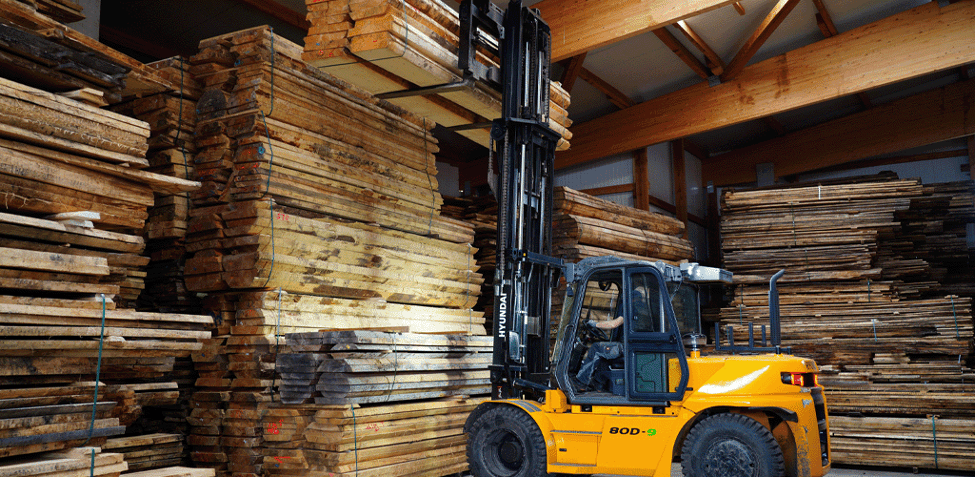
In 2026, warehouse and logistics operations continue to face changing demands, with supply chains requiring faster turnaround times and greater flexibility. In this environment, choosing a forklift rental service helps logistics teams maintain productivity and respond to changing needs without long-term commitments.
This shift towards flexible equipment use allows warehouse managers to handle seasonal volume changes more efficiently and plan operations with better control. The following sections outline five key benefits businesses should consider when planning their material handling strategies for the year ahead:
1. Lower Capital Investment
Purchasing heavy machinery, such as forklifts, requires a large upfront investment, which can put pressure on financial resources. Managing cash flow remains a key priority for warehouse owners looking to expand their operations across India. Some key aspects to consider while investing in heavy machinery include:
- Buying forklifts involves high upfront costs, which can reduce short-term financial flexibility and limit operational decisions.
- Renting removes the financial burden linked to owning high-value equipment, making it easier to manage expenses and allocate funds where needed.
- Businesses can use funds more effectively by investing in core areas such as facility expansion, workforce improvement, or technology upgrades.
By choosing a rental model, companies can direct financial resources towards growth-focused activities instead of tying them up in equipment that loses value over time. This approach also supports better financial planning and reduces long-term risk.
2. Operational Flexibility Based on Demand
Material handling needs often change based on project timelines and seasonal demand. A fixed, company-owned fleet can limit a facility’s ability to handle sudden increases in workload or inventory levels. Some key aspects to consider include:
- Equipment requirements can vary depending on seasonal demand and the scale of operations across different facilities.
- Renting allows businesses to scale their fleet up or down easily without long-term commitments or high capital costs.
- Facilities can use specialised equipment, such as a double deep reach truck, for short-term high-density storage needs.
Flexibility helps warehouses and distribution centres operate with the right equipment at the right time, improving overall efficiency. It also allows businesses to respond quickly to market changes.
3. Access to Advanced Equipment
Modern supply chains require efficient and updated equipment to maintain consistent output levels. However, purchasing new machinery to keep up with every advancement is often not financially practical for many businesses. A rental service can help businesses access modern equipment, such as:
- Rental providers such as Godrej RenTRUST regularly update their equipment, giving businesses access to newer and specialised models.
- Businesses can rent and use machines designed for specific warehouse needs without making long-term investments.
- Equipment such as a double deep reach truck can be deployed easily to improve high-density storage efficiency when required.
Using rental options for the latest machinery helps operations benefit from improved technology and maintain efficiency without incurring ongoing capital expenditures. It also encourages better performance in fast-moving warehouse environments.
4. No Maintenance Responsibility
Regular servicing and unexpected repairs can consume significant time and shift focus from core operations. Equipment downtime can affect warehouse productivity, delay deliveries, and reduce overall efficiency. Renting equipment from a rental service provider helps in enhancing warehouse productivity as:
- The rental provider handles all scheduled maintenance and repair requirements.
- The workload on internal teams is reduced, allowing them to focus on more important operational tasks.
- Equipment is kept in working condition, helping avoid delays and disruptions on the warehouse floor.
By relying on rental services for maintenance, businesses can ensure that their material handling equipment remains reliable and consistently available for daily operations. It improves operational continuity and reduces unexpected interruptions.
5. Compliance with Safety Standards
Workplace safety plays a key role in efficient warehouse operations. Following safety regulations helps prevent accidents and avoid disruptions that can affect daily activities. Rental companies help businesses comply with safety standards by:
- Going through regular inspections to meet required safety standards.
- Renting certified machines helps reduce the risk of non-compliance during safety checks and audits.
- Well-maintained equipment supports safer operations for warehouse staff daily.
Using certified rental equipment helps protect workers and ensures that the facility continues to meet all necessary safety requirements. It also supports consistent operational performance without safety-related setbacks.
Conclusion
Modern warehouses need to balance capital use, scalability, technology upgrades and strict safety requirements. Renting equipment supports these needs by providing flexibility and ensuring consistent performance throughout daily operations. This approach allows businesses to adjust resources based on demand while maintaining efficiency without adding financial pressure.
A forklift rental service helps warehouses and businesses maintain smooth and safe operations in 2026 and beyond. It enables decision-makers to review their current material handling needs and assess whether a flexible rental model aligns with their operational plans and long-term business goals.
