

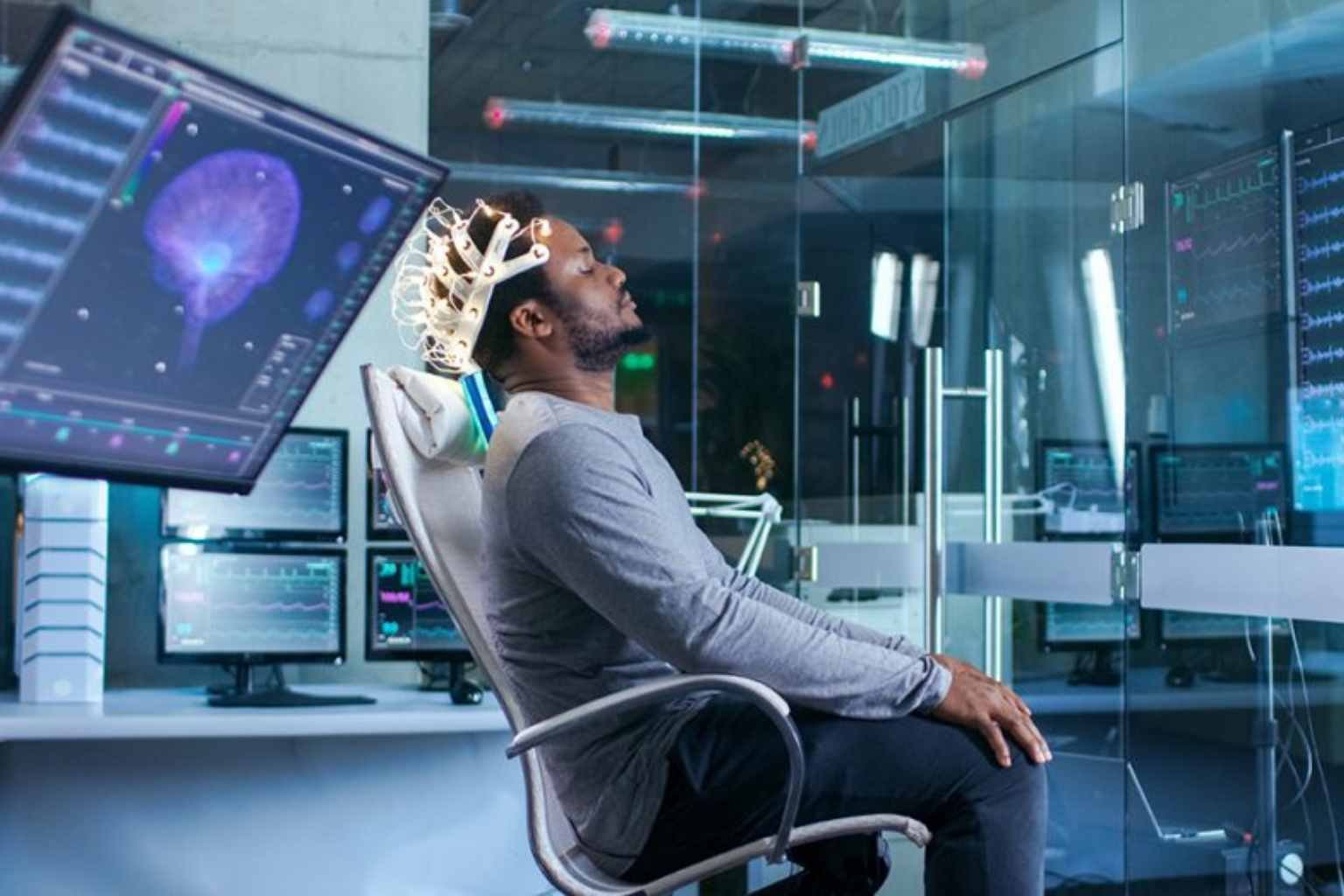
The notion of controlling technology directly with your thoughts was at one time the stuff of science fiction. Today, brain computer interfaces, or BCIs as they are commonly referred to are turning that notion into a reality. These systems enable direct transmission of thought between the human brain and external machines in applications within healthcare, accessibility and everyday technology. As technology continues to evolve, BCIs are defining the future of human-digital engagement.
1. What Are Brain-Computer Interfaces
Brain computer interfacing involves the detection of signals generated by the brain and use them to control devices such as computers. They don’t use a keyboard, mouse or touchscreen, but rather control the technology through brain activity. These signals are picked up, processed and transformed into operations as for example moving a cursor or handling an apparatus.
2. How the Brain Creates Signals That Lead to Actions
The brain generates electric signals when neurons talk to one another. BCI systems are equipped with sensors that pick up these signals and software which read patterns. Once deciphered, the system transmits commands to a computer, wheelchair, robotic arm or other device.
3. Types of Brain-Computer Interfaces
There are different types of BCIs according to how they interface with the brain:
- Non-invasive BCIs based on external sensors
- Less invasive devices near the brain
- Implantable BCIs for clinical applications
- Consumer telepathy products and wearable neural headsets
- Lab-based research on focused BCIs
Both types have their own trade-offs regarding accuracy, safety and usability.
4. Medical Uses Changing Lives
BCI technology is a boon for health care. Brain signals can help some people with paralysis communicate or regain movement control. BCIs are also being studied for stroke recovery, prosthetic control and neurological rehabilitation, bringing new hope to patients.
5. BCIs and Accessibility Technology
BCI provides access for physically handicap person. Users can type out messages, steer a wheelchair or even get smart home devices to respond to their thoughts. This is a level of independence that can make the difference between quality of life and a person’s sense of autonomy.
6. Brain-Controlled Tech Beyond Healthcare
BCIs are also being developed for non-medical applications. 12,13 Gaming, VR and smart environments are exploring BCI. These systems are trying to build a faster, more natural connection between people and technology.
7. Benefits of Mind Controlled Technology
Brain computer interfaces have some advantages:
- Hands and voice free operation
- Faster response for certain tasks
- Enhanced user control for people with disabilities
- More natural human technology connection
- Potential for enhanced productivity
These are advantages which render BCIs an intriguing new technology.
8. Challenges and Ethical Concerns
Progress notwithstanding, BCIs present issues related to signal quality, cost and technical complexity. Ethical problems involve protection of data privacy and brain data, as well as possible detrimental long term health effects. “Clear regulation and responsible development are really necessary as adoption becomes larger.
9. Common Misconceptions About BCIs
Many believe BCIs can read thoughts or control minds, which is not the case. Such systems interpret only certain brain signals associated with the intended movement. They do not pull up memories, feelings or thoughts of a personal nature unless directed to do so.
10. The Future of Brain-Computer Interfaces
The future of BCIs appears to be good, but slow. Systems will shrink, become safer and more user-friendly as technology progresses. If brain computer interfaces will work, they will probably do so in conjunction with other types of inputs rather than entirely replace them, improving how humans interact with machines.
Key Takeaways
Brain computer interfaces (BCI) provide the means to directly interface and communicate between the brain and technology, opening up for mind-controlled interaction. They are doing the above and changing healthcare and accessibility already, and becoming more and more everyday-esque. But if we can meet the challenges, responsible innovation might turn BCIs into an incredible tool for enhancing human life and interaction in the digital world.
FAQs:
Q1. What is a brain-computer interface?
A system that lets the brain talk to computers directly.
Q2. Can BCIs read thoughts?
Nope, BCIs identify only certain brain signals that are linked to activity, not personal thoughts.
Q3. Are brain computer interfaces safe?
Non invasive BCIs are considered safe whereas implanted systems need medical follow up.
Q4. Who is BCI technology for?
This is particularly useful for people who are disabled, neurodivergent and/or face mobility issues.
Q5. Will the BCI be used by humans in general some day?
They might get a little more popular, but they are likely to work alongside technology we already use rather than replace it.
