

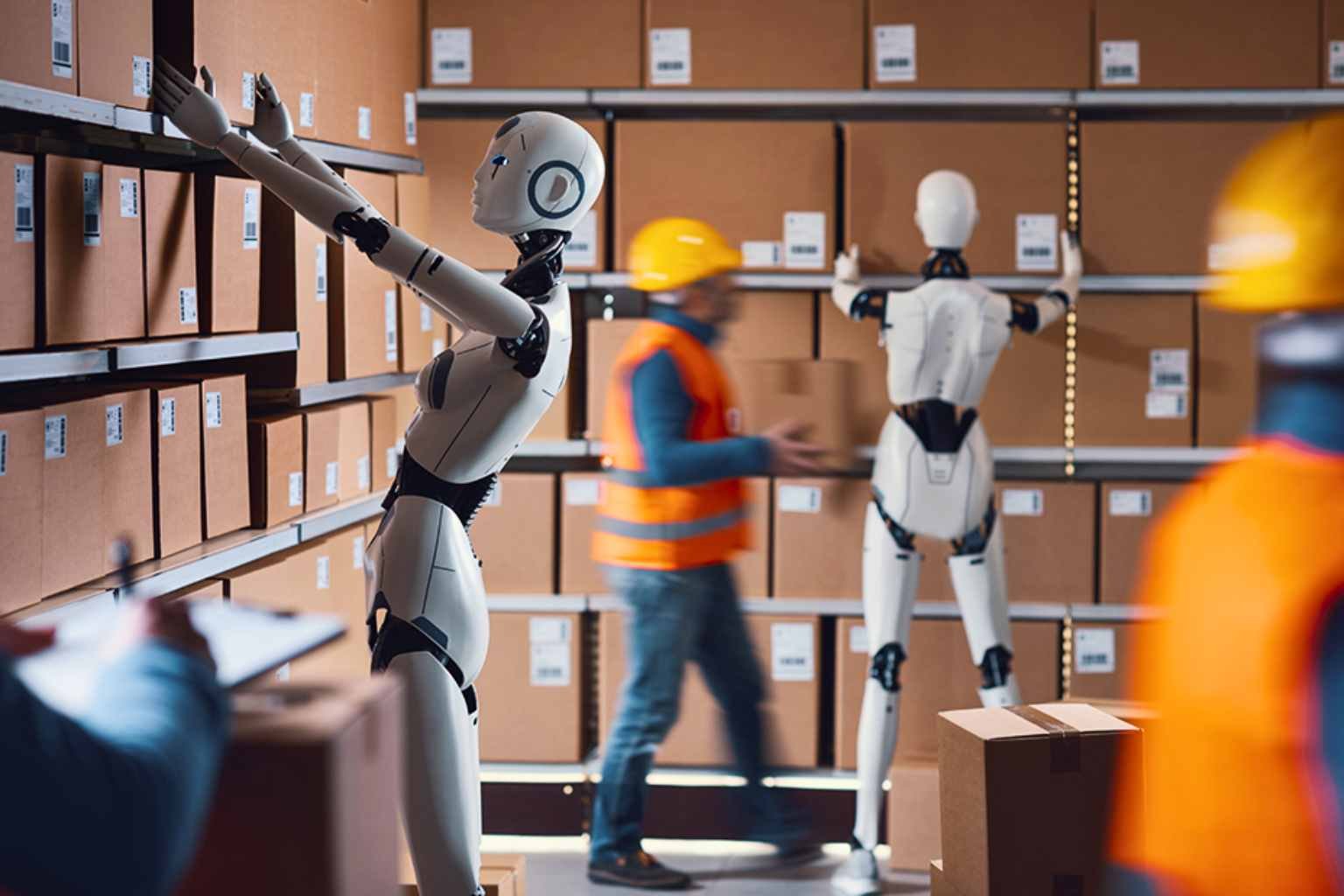
Humanoid robots are now not only confined to the research lab and science fiction movies. And they are gradually beginning to enter the real world of offices, hospitals, factories and home. Programmed to seem and act human, these robots offer help, efficiency and companionship. But as they get stronger and more visible, a crucial question presents itself. Are we really prepared to exist with humanoid robots in our midst?
1. What Are Humanoid Robots
Humanoid robots are robots with humanoid body shape. This is because they typically have a head, body, arms and legs that enable them to move around in structures built for people. Their design also enables them to grasp objects, walk in human environments and communicate in recognizable fashions.
2. What the Humanoid Robots Are For
The most obvious reason for humanoid robots is that they are compatible. Houses, offices and public spaces are designed with the human body in mind. Humanoid robots can open doors, climb stairs, operate equipment and help people without the need for specific infrastructure. That makes them more like puppets who can bend and twist in ways robots usually do not.
3. Where Humanoid Robots Are More Than Speculation
Humanoid robots are already being used in specific controlled environments. They work in factories, welcome visitors to offices, do customer service work and back medical staff. Rehabilitation and patient engagement are also in research, assessing and healthcare.
4. Benefits of Living and Working With Humanoid Robots
Humanoids have several potential advantages:
- They can do dull or hazardous work
- They minimize physical labor for humans
- Additionally, they can be kept on without getting tired
- They help the old or handicapped
- They support productivity in workplaces
They are these couple of virtues that make them desirable in all the world.
5. Human Emotional and Social Readiness
One of the most challenging aspects is human performance. Human-like machines can evoke emotional responses in people. Some are curious, or attached, some are not so comfortable, or too afraid. To live with humanoid robots, we need to trust and accept them, and understand what they can be relied upon for.
6. Ethical and Privacy Concerns
Most humanoid robots rely on cameras, microphones and sensors to work well. This has potential data privacy, surveillance and consent implications. Questions of decision-making, accountability and control would need to be addressed before robots become an everyday presence in personal environments.
7. Impact on Work and Human Roles
Not so far in the future, human-like robots will serve you breakfast, drive your kids to school, and take your dog for a walk. Robots, if they perform certain jobs, there will be others that are created in taking care of the robots themselves and supervising them from a command center.” The problem is avoiding this switch in a responsible way.
8. Technical Limitations Still Exist
Although substantial progress has been made, humanoid robots are still far from perfect:
- Limited understanding of human emotions
- High development and maintenance costs
- Difficulty handling unpredictable situations
- They rely on sufficient power and reliable connectivity
- Slower learning compared to humans
With these limitations, robots need to be supervised by humans.
9. How Society Is Preparing for Humanoid Robots
Governments, companies and researchers are developing plans for safety standards and ethical guidelines. Public education and incremental exposure are helping people grow more comfortable with robots. Thousands of SMEs need not only to be integrated but also to collaborate instead of being replaced.
10. Are We Really Ready to Coexist With Them
Readiness is not technology alone. It is a question of mindset, trust and responsibility. As humanoid robots are getting smarter, we have to develop laws, ethics and norms. Living with robots will take patience, candor and mindful integration.
Key Takeaways
Humaniform robots are edging closer to everyday life, and they bring with them a promise of assistance, efficiency, even new ways of making use. As the technology is clearly picking up (increasing rate), human preparedness still needs acceptance, proper ethical precautions and effective means of convergence. We might not be quite ready for them yet, but with sensible planning and judicious use, living with humanoid robots might just become a regular part of our future.
FAQs:
Q1. What are robots designed to have humanlike characteristics used for today?
Factories, health care facilities, customer service outlets and research laboratories use them.
Q2. Can you live with the humanoid robot?
They are constructed with safety features, but laws and oversight are needed.
Q3. Will human jobs be taken over by humanoid robots?
They can supplant some of those jobs, but they will also create new forms of employment.
Q4. Could humanoid robots really ‘feel’?
They can read some basic emotional signals, but nothing like humans.
Q5. When will humanoid robots become commonly found in domestic households?
It could still be years before home use becomes common as costs, safety and acceptance improve.
