

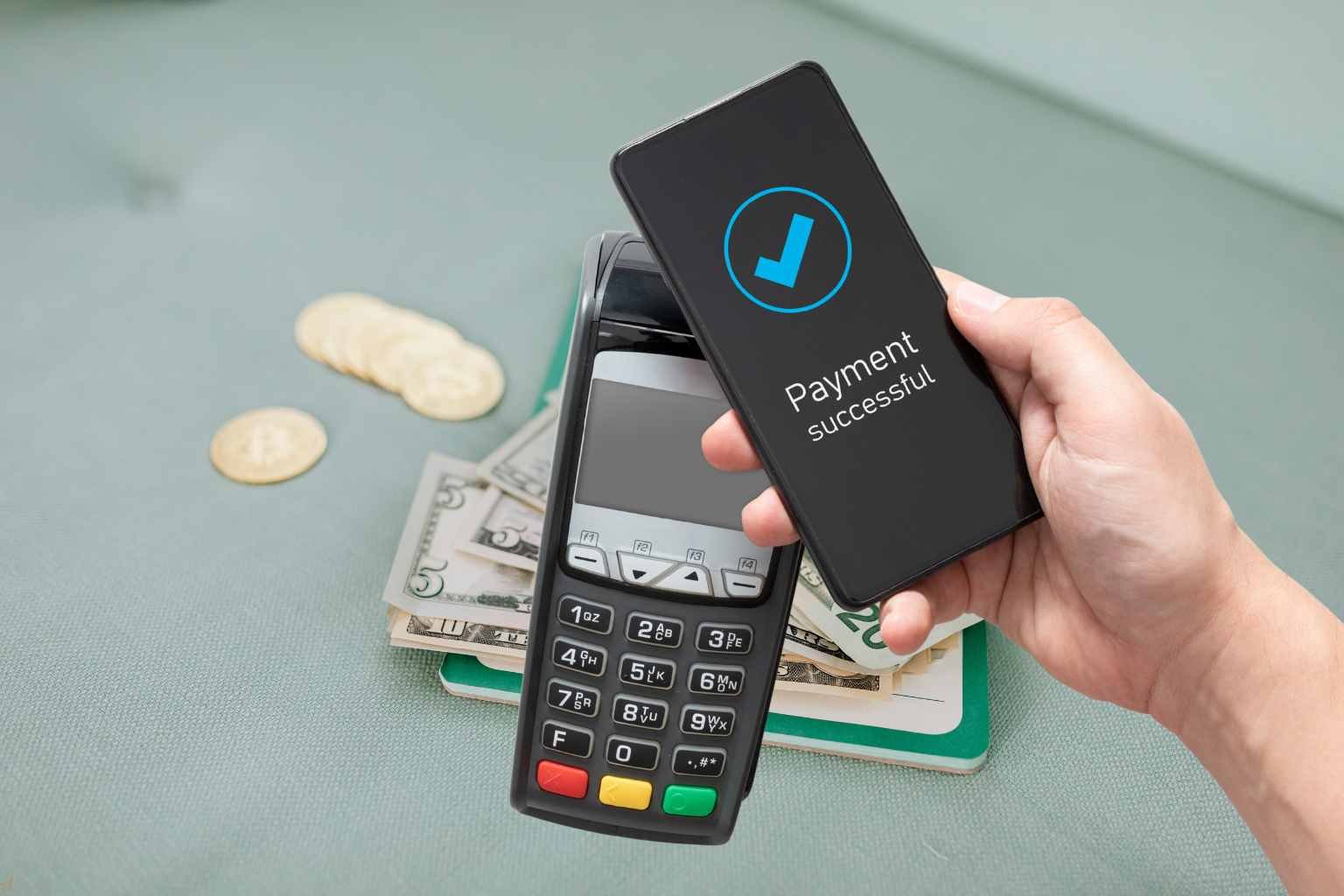
Cash is changing hands at a speed never before seen. Hours or even days now occur in seconds. Real-time payments are changing how people, businesses and banks send and receive money. Whether it’s when buying a morning coffee, sending money to family overseas, or paying rent – fast payments will be the norm and not just for those who can afford it. As digital finance evolves, real-time payments are driving the next normal toward speed, trust and ubiquity.
1. What Are Real-Time Payments
Some other central banks and authorities have already implemented real-time payments, which are processed and settled instantaneously, often within seconds. Cash transfers go straight from sender to recipient with no delays – even after the banks have closed. These transactions confirm almost immediately and the money is released as soon as a confirmation is in place unlike when you are dealing with older systems.
2. Why Instant Payments Are Becoming Essential
Life today is fast, and so must be any financial systems that we rely upon. People want payments to be as fast as messaging or streaming. Delays feel outdated. Real-time payments help meet everyday needs, such as paying bills, transferring money to peers and completing online purchases without waiting.
3. How Real-Time Payments Work
Faster payment systems use 21st century digital infrastructure. Transactions are validated, cleared and settled in the secure networks, immediately. These systems are bored 24/7 so you can get paid any time of the day, even nights, weekends and holidays.
4. Benefits for Consumers
Real-time is better for people, who now understand precisely when they’ve sent money, at the same time that a transaction has been received. There are no waiting periods to see if money arrives and no concerns about pending transactions. And instant access to money for budgeting, emergencies or day-to-day life brings a measure of ease and transparency to personal finance.
5. Business Advantages of Real-Time Payments
In the business world, real-time payments are a game changer. Quicker cash flow makes it easier to make payments and reduces dependence on credit. Real-time confirmation also reduces payment failures and disputes, to make businesses run more smoothly, while helping service customers better.
- Better cash flow and working capital
- Faster order processing and delivery
- Reduced payment reconciliation time
- Better customer satisfaction
- Lower risk of failed transactions
As the benefits of real-time payments demonstrate, there is little question that such capabilities are now a competitive imperative.
6. Effects for Banks and Other Financial Institutions
Banks are moving from batch oriented to always on services. Real-time payments would require new systems and, in theory, better risk management and constant availability. While it requires investment, it also presents new product opportunities, partnerships and revenue models.
7. From Security and Trust to Instant Payments
Fast is not equal to less secure. Instant payment systems feature high-level encryption, authentication and anti-fraud checks. In reality, being able to see transactions immediately may enable suspicious trades to be identified more quickly than through systems with a lag. Robust protections are necessary to protect the confidence of users.
8. Challenges Slowing Universal Adoption
Challenges There are some challenges, even as fast growth continues:
- High infrastructure upgrade costs
- Fraud possibility in case of weak controls
- Limited interoperability across regions
- User awareness and education gaps
- Regulatory alignment across markets
Overcoming these challenges is the linchpin to achieving real-time payments ubiquity.
9. How Real-Time Payments Are Changing Consumer Behavior
The shift to instant payments is helping to reshape the way people think about money. Spending choices are more present, and attitudes regarding refunds, salaries and bill payments are shifting. Companies which continue to depend on slow payment methods may appear out of date to customers.
10. The Future of Finance in a Real-Time World
Real-time payments are the building blocks for more intelligent financial services. As these systems mature, they will enable automation, embedded finance and real time data driven decisions. It’s the move to 24/7 finance, or always-on-finance, where speed and trust and open access are becoming the new quotients for success.
Key Takeaways
- Real-time payment ensures instant money transfers and notifications.
- The customers get quicker availability and more control over the funds
- Businesses have better cash flow and become more efficient.
- Banks need to modernize infrastructure in order to remain competitive
- Security, compliance and interoperability continue to feature on top of the agenda points
FAQs:
Q1. Easiest way to explain what real-time payments are?
They are transactions that can be sent and confirmed immediately, rather than hours or even days later.
Q2. Are real-time payments available 24/7?
Most realtime systems run on a 24-hour-a day basis during each working day including weekends and holidays.
Q3. Are instant payments safe?
Yes, through robust security, encryption and fraud prevention tools.
Q4. Do real-time payments cost more?
Costs differ, but gains in efficiency frequently cover fees for businesses and banks.
Q5. Will SCNYC real-time payments make traditional banking obsolete?
They may not yet completely supplant them, but they’re taking over as the method of choice in most transactions.
