

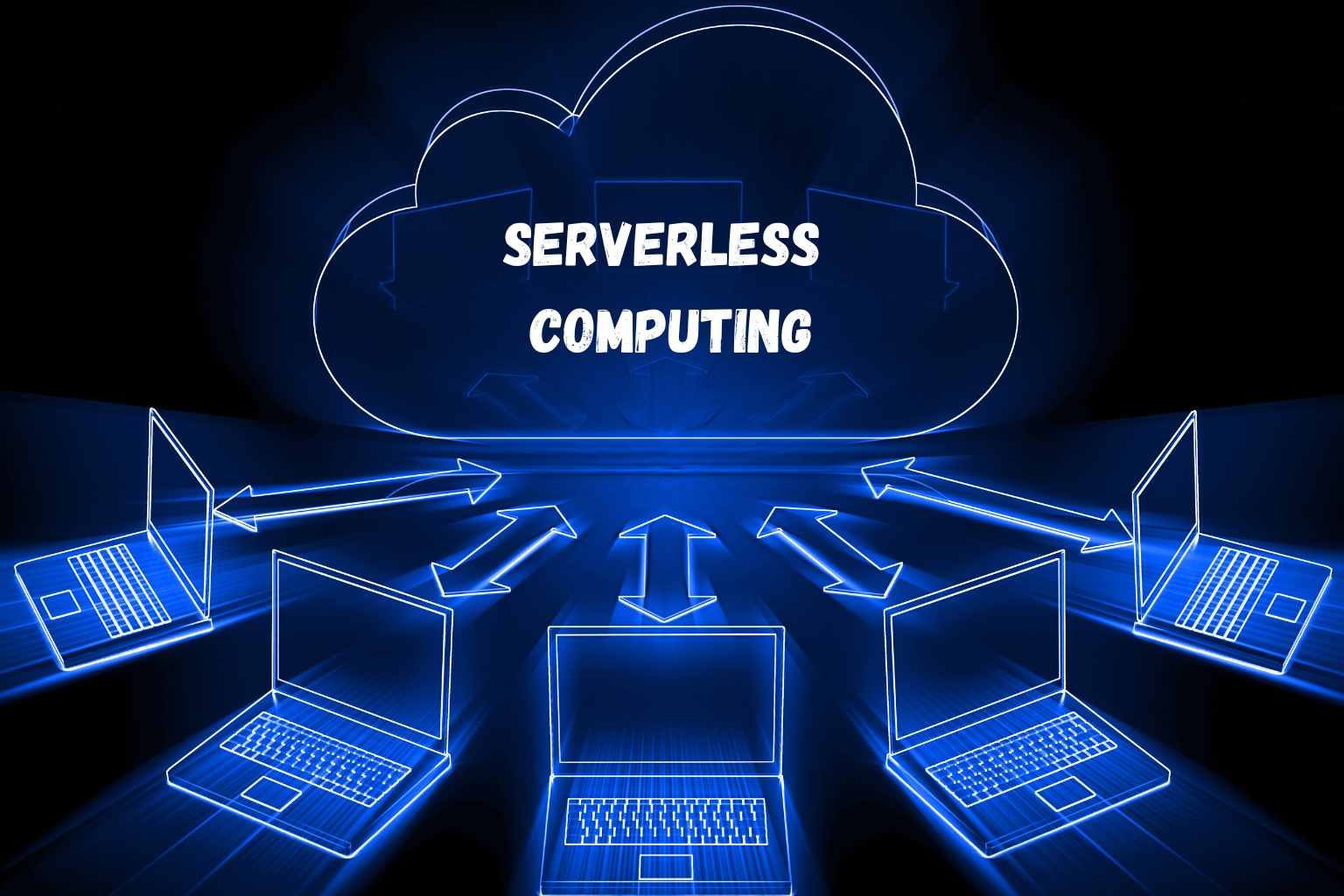
Cloud computing has already revolutionised how companies construct and operate applications, but serverless computing is ramping efficiency up to the highest level yet. Instead of dealing with servers developers can now only worry about writing code and cloud providers take care of infrastructure, scaling and maintenance. This change is helping companies to do things more quickly, in a cost-effective way, and create more scalable solutions with less effort.
1. What Server less Computing Really Means
That said, server less computing doesn’t mean the absence of servers. It is a way of saying that developers do not have to think too much about them or deal with them. Server provisioning, scaling and availability are automatically managed by the cloud provider. Developers just upload code and it runs when certain events like user requests or data updates are triggered.
2. Why Server less Is Gaining Popularity
Classic cloud patterns still leave you with teams who have to manage virtual machines and even do capacity planning. Server less removes this complexity. Business leaders are implementing it because it streamlines operations, minimizes overhead and leads to quicker time-to-market without the headaches of infrastructure.
3. How Server less Improves Cloud Efficiency
Serverless platforms consume resources only during the time when code is running. The event-driven model help to prevent servers from sitting idle and capacity going to waste. This means that applications are optimized for performance, latency, and cost – particularly when processing workloads that exhibit variability in demand.
4. Cost Benefits of Server less Computing
Pricing efficiency is one of the main pros for server less. So companies pay only for the execution time and resources they consume, rather than for an always on server. This is what makes server less a great fit for startups and anyone who wants to keep their cloud bill in check as they scale.
5. Scalability Without Manual Effort
Server less applications scale automatically. From 10 to 10 million users, the platform scales resources on demand. This eliminates the need for developers to set up and manage load balancers and scaling rules, so there is less chance of getting it wrong.
6. Typical Server less Usage Scenarios
Serverless does have a lot of potential across the board:
- Services for web and mobile back end
- APIs and microservices
- Data processing and file handling
- Live alerts and chat prompts
- Automation and scheduled tasks
These applications may greatly benefit from high-throughputs and dynamic scaling.
7. Developer Productivity and Faster Innovation
The removal of infrastructure management by server less frees developers to concentrate on business logic and user experience. Addendum to Twitter API endpoints, database migrations can be and go much faster thus our teams can send out features quicker, they can experiment more permissively, iterate fast. This results in shorter development cycles and quicker entry to market.
8. Challenges Businesses Must Consider
But server less isn’t all roses:
- Debugging and monitoring complexity
- Vendor lock in concerns
- Some cold start lag on some occasions
- Limited control over underlying infrastructure
- Skill requirement and architectural design opportunities
Understanding these obstaclces helps teams to adapt serverless the right way.
9. Security and Reliability of Server less Systems
Enforced security in server less platforms is better than with self-hosted thanks to built-in features such as isolation and automatic patching. But the developers are still on the hook for secure code and access controls. It’s possible to build server less systems that are reliable and secure if things are configured well.
10. The Future of Server less Computing
Serverless is becoming integral to contemporary cloud strategies. As performance, tools and flexibility of platforms continue, a lot more businesses will be moving to serverless for mission-critical workloads. It is a move toward simpler & cost-effective cloud computing friendly for developers.
Key Takeaways
How serverless architecture is driving new efficiency into the cloud by eliminating infrastructure overhead and maximizing resource consumption. It allows you to automatically scale, save costs and develop faster while taking into account the requirements of modern applications. Despite the setbacks, serverless shows a lot of promise for the future of cloud infrastructure.
FAQs:
Q1. Is so-called “server less computing” a fit for all applications?
It is well suited for event driven and scalable workloads but not all applications will be suitable for this model.
Q2. Does server less really mean no servers at all?
No, there are still servers but they’re operated entirely by the cloud service.
Q3. Does server less cost more than traditional cloud?
It tends to be less expensive for variable workloads, but it depends on how you use it.
Q4. Are server less applications secure?
Yes, with correct security measures and access control.
Q5. Is server less going to replace cloud infrastructure as we have known it?
It will never replace it entirely but will be a key component of cloud strategies.
