

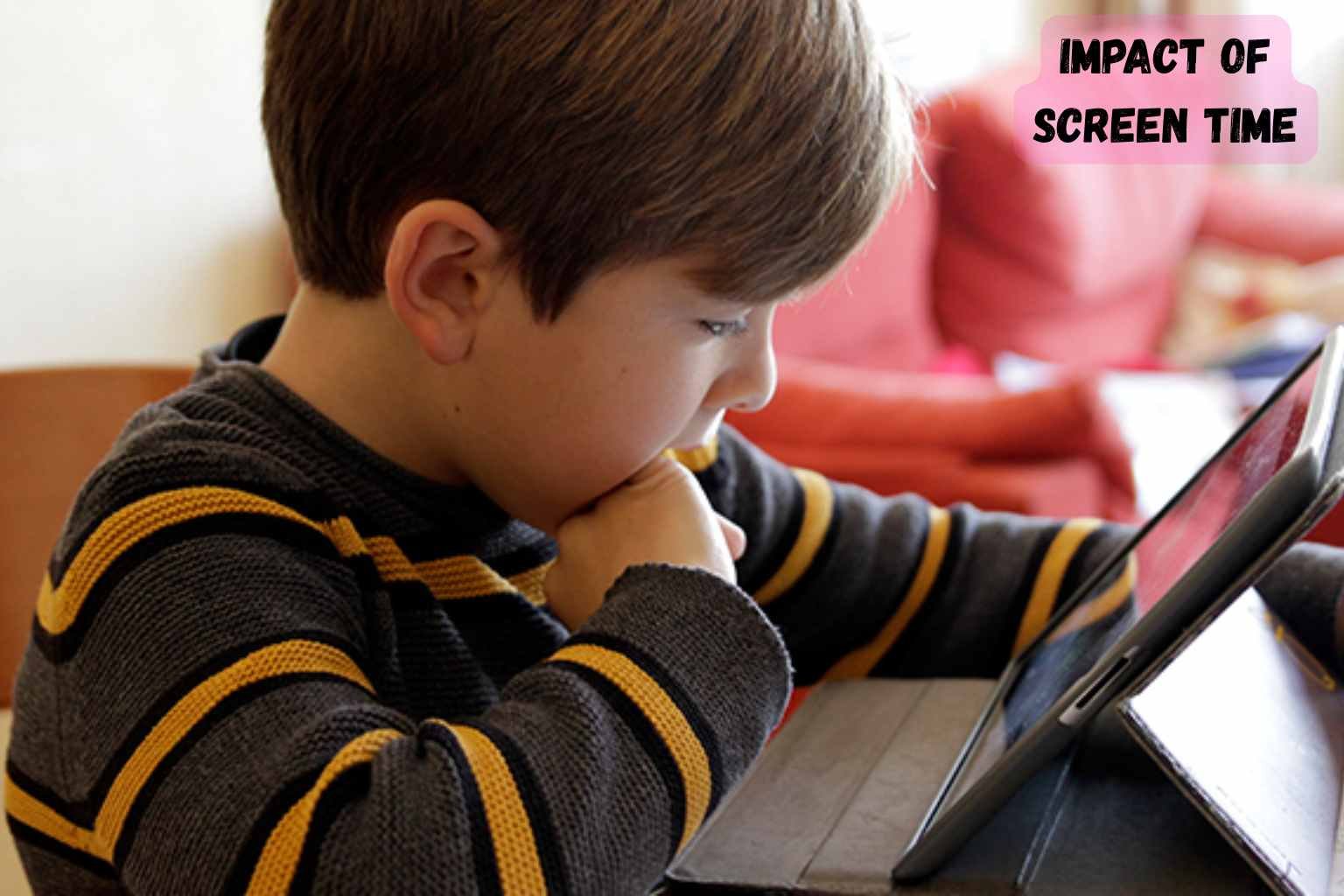
Now screens are an ever-present part of student life. Online classes, digital textbooks, homework apps and smart devices can support learning in significant ways. At the same time, notifications, multitasking and entertainment apps can quietly chip away at attention and deep focus. Learning how screen time affects student attention will enable parents, teachers, and students to use technology that enhances learning rather than detracts from it.
1. How Screen Time Became Learning Time
Digital tools boomed with the rise of online learning and blended classrooms. Devices give students access to information, interactive lessons and tools for collaboration. Used well, they enhance learning. Unchecked, they can shred attention and undermine concentration in study time.
2. Focus vs Attention in Online Learning
It means that you have the ability to pay attention to something. To focus is to stick with it. “Screens make you more focused, but only for a limited amount of time.” That’s because you’re training your brain to react to alerts, tabs and app changes. It is more difficult then for students to do deeper learning slow down, be patient and reflect.
3. Multitasking and the Myth of Productivity
Millions of students think they can study while messaging friends and flipping through Facebook. Studies have found that multitasking reduces your comprehension and memory. Changing tasks makes the brain reset itself, sapping cognitive energy and causing more mistakes even if students feel like they are accomplishing a lot.
4. Short Form Content and Shrinking Attention Spans
Short clips and fast feed rates condition the brain to receive constant stimulation. Over time, this can lead to longer reading and problem-solving and lectures feeling tiring. Students may have difficulty sustaining prolonged cognitive tasks without regular breaks.
5. When Screen Time Helps Learning
Not all screen time is bad for focus. Structured Use:Engagement can be improved with structured, purposeful use:
- Interactive simulations to explain things even in a complex way
- Educational videos with guided questions
- Digital notes with intent
- Practice tools with instant feedback
- Task-specific collaboration platforms
It’s all about intention and structure, really.
6. Physical Effects That Influence Focus
The body responds to extended screen use, and then attention responds. Eye fatigue a contributing factor to low vision syndrome, along with poor posture and limited physical movement. “If you expose yourself to blue light later into the day, it’ll screw over your sleep, and then you won’t be as focused the next day.
7. Age Differences Matter
For younger students, which most of my readers will be teaching online, both stability and daily variety matter; little kids have a hard time staying focused on a screen for any length of time. They are not accustomed to self regulating at this age. Older students can sustain longer digital tasks, but they too will benefit from limits and offline study blocks to preserve deep focus.
8. Signs Your Child Might be Struggling to Focus on Screens
There are signs students themselves might demonstrate when screen routines affect attention:
- Task inefficiency without looking at devices
- Reduced reading stamina
- Frequent restlessness during study
- Increased procrastination
- Trouble recalling recently studied material
Early awareness allows simple adjustments.
9. Tactics to maintain and heighten focus
Balanced habits that lead to children getting the best out of screens:
- Set device free study blocks
- Turn off non essential notifications
- Use one app or tab per task
- Follow the 20 20 20 eye rule
- Schedule regular movement breaks
Consistency builds focus over time.
10. Striking the Appropriate Balance Moving Forward
The screens are not going anywhere, nor should they. The goal is mindful use. Teaching kids to use technology with attention, rather than be yanked around by the dopamine they get for being able to link and friend and comment, is very useful. From the classroom to the home, schools and homes that support balance help pupils practice focus skills that extend long beyond the hush of the library.
Key Takeaways
Screen time has an impact on student focus by how it is used, not simply the amount. Both unstructured and multitasked use may impair attention, whereas purposeful digital learning can promote understanding. When students can let go of their worries for the rest of the day and loosen their grip on digital demands, they employ a natural skill toward more productive deep focus and learning.
FAQs:
Q1. Does screen time ever help students focus?
No, attention is a function of structure and purpose. Educational use can support learning.
Q2. How much screen time is too much for students?
It depends on age, but regular breaks and study time offline are crucial.
Q3. Is multitasking while studying harmful?
Yes. Even if it feels productive, it undermines understanding and memory.
Q4. Can screen time impact sleep and focus?
Yes. Using screens late can interfere with sleep, and lack of sleep in turn degrades focus the following day.
Q5. What is the best way to focus with screens?
Set clear goals, limit notifications and balance digital work with time offline.
