

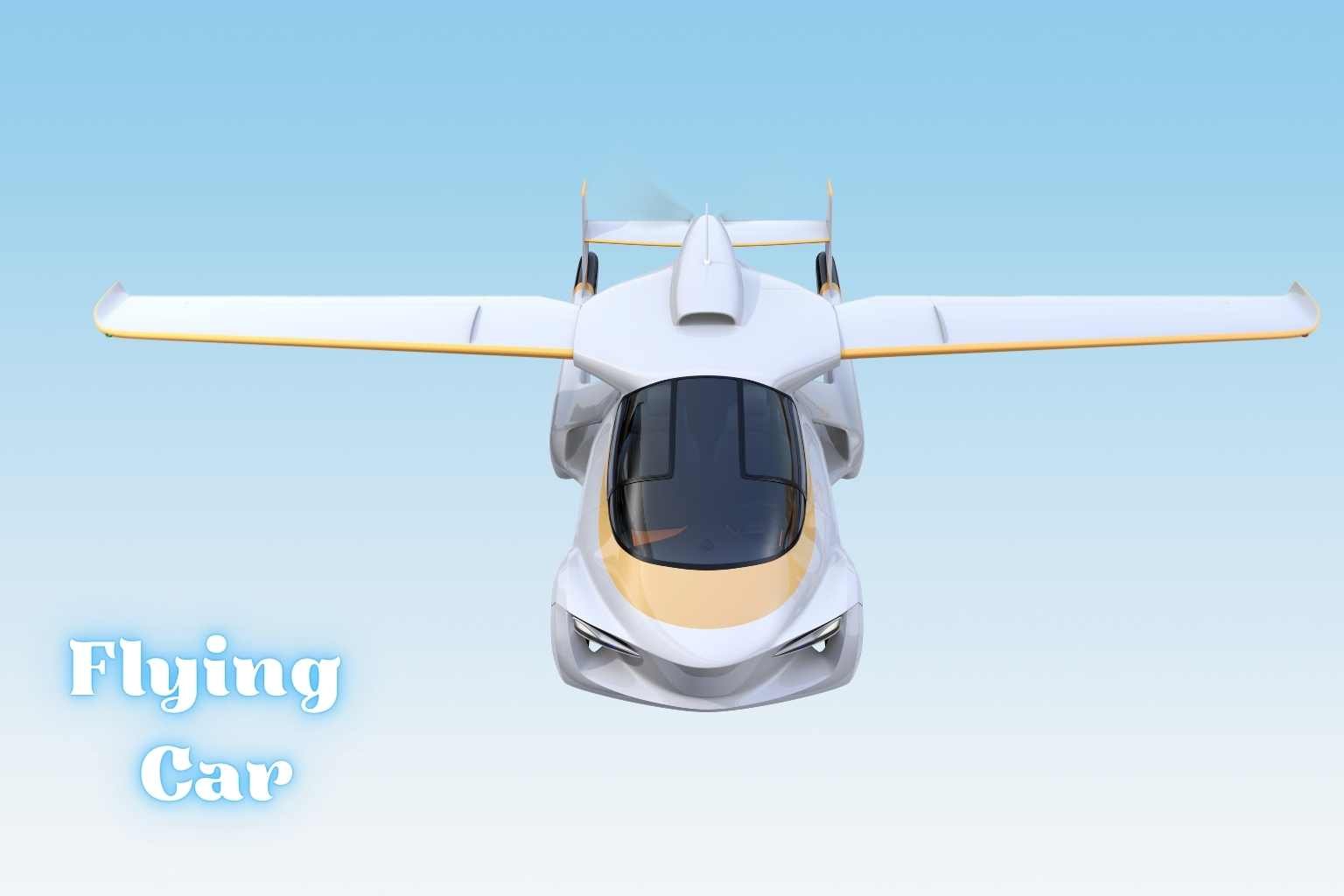
Flying cars move closer to reality as technology advances in electric propulsion, batteries, AI, and air traffic systems. Urban air mobility shifts from science fiction to real‑world trials. Instead of individual cars for everyone, air taxis and shared aerial transport promise to reduce congestion and save time in crowded cities. The big question remains: Will flying cars scale into everyday use or stay niche experiments?
1. What Urban Air Mobility Looks Like In Real Life
Urban air mobility refers to short distance air transport within and around cities. It focuses on small, electric aircraft that take off and land vertically, often called eVTOLs. These vehicles are designed for quick trips between rooftops, airports, and city hubs rather than cross country travel.
2. Why Cities Are Looking to the Skies
Urban traffic is getting worse, and roads can be expanded only so much. Air routes are like a new level of mobility over traffic. Short hops could erase decades from commute times for certain routes airport transfers or business districts, where speed is everything.
3. The Evolution of Flying Cars
Today’s flying cars are not your daddy’s choppers. They are powered by several electric rotors, sophisticated flight controls and lightweight materials. An electric-powered vehicle would be less noisy and produce fewer emissions than helicopters, making them more compatible with populated cities.
4. Safety Comes Before Speed
Safety is the primary obstacle to adoption. Redundancy is being baked into city air vehicles. The use of multiple motors, redundant power sources and computer flight control helps minimize single point failures. A lot of testing and certification is required before people can be carried over cities.
5. Where Flying Cars Really Could Take Off
We probably won’t be commuting via flying cars on a daily basis. “Early use cases are specific but focused:
- Airport to city center transfers
- Emergency medical transport
- Business and executive travel
- Tourism and scenic routes
- rural or in the most difficult urban areas
These have high value where time savings are worth the premium.
6. Infrastructure Challenges in Urban Areas
Air mobility needs new infrastructure. Cities need to be designed with vertiports for takeoff, landing, charging and passenger loading. Safely integrating these facilities into dense communities requires careful planning, zoning approvals and community acceptance.
7. Noise, Energy, and Environmental Impact
Noise pollution is serious as well. They are quieter than helicopters, but it also make noise. New Zealand Energy efficiency also relies on clean electricity. Through the use of renewable energy, urban air mobility might even serve sustainability goals rather than undermine them.
8. Regulation and Air Traffic Management
Flying cars don’t have the freedom that road vehicles do. Airspace is tightly regulated. New air traffic management systems are being created to ensure safe operations of low level airspace. This does such things as automatically routing air traffic, detecting and avoiding obstructions, interacting with other airborne systems, etc.
9. Barriers That Could Slow Adoption
Despite progress, several challenges remain:
- High development and operating costs
- Strict safety certification timelines
- Public trust and acceptance
- Limited battery range and payload
- Complex urban regulations
These are some of the reasons for a slow march towards ubiquity.
10. Will Flying Cars Actually Happen
Flying cars will exist, but not the way movies dreamt them. Before we have cars in every garage, the initial manifestations will be shared air taxis and specialized services. Gradual adoption in a few cities that provide more benefits than challenges. Urban air mobility is not about replacing roads with the skies, so much as introducing an alternative to address specific needs.
Key Takeaways
- Urban air mobility is about shared air taxis, not private flying cars
- Technology is flesh and blood, but rolling out at scale takes time
- But safety, regulation and infrastructure are the top obstacles$PostalCodesNL.
- Earlier application potentials in airports, emergencies and exclusive travel
- It is probable in the future that flying cars would not replace but complement ground transportation
FAQs:
Q1. Flying cars are already being tested?
Yes, there are a handful of companies doing test flights and piloting programs in closed-loop systems.
Q2. Will we all have access to flying cars?
Not initially. The early services are expected to be premium or shared air taxi offerings.
Q3. Are flying cars safe for the city?
Safety systems are being designed with large amounts of redundancy, however certification is a process that takes time.
Q4. Will traffic jams disappear into thin air with the news of flying cars?
They can alleviate congestion on certain routes, but they won’t solve all traffic problems.
Q5. When will we have flying cars or when will flying cars be in use?
Early services may come in a few years, though common usage will take longer.
