

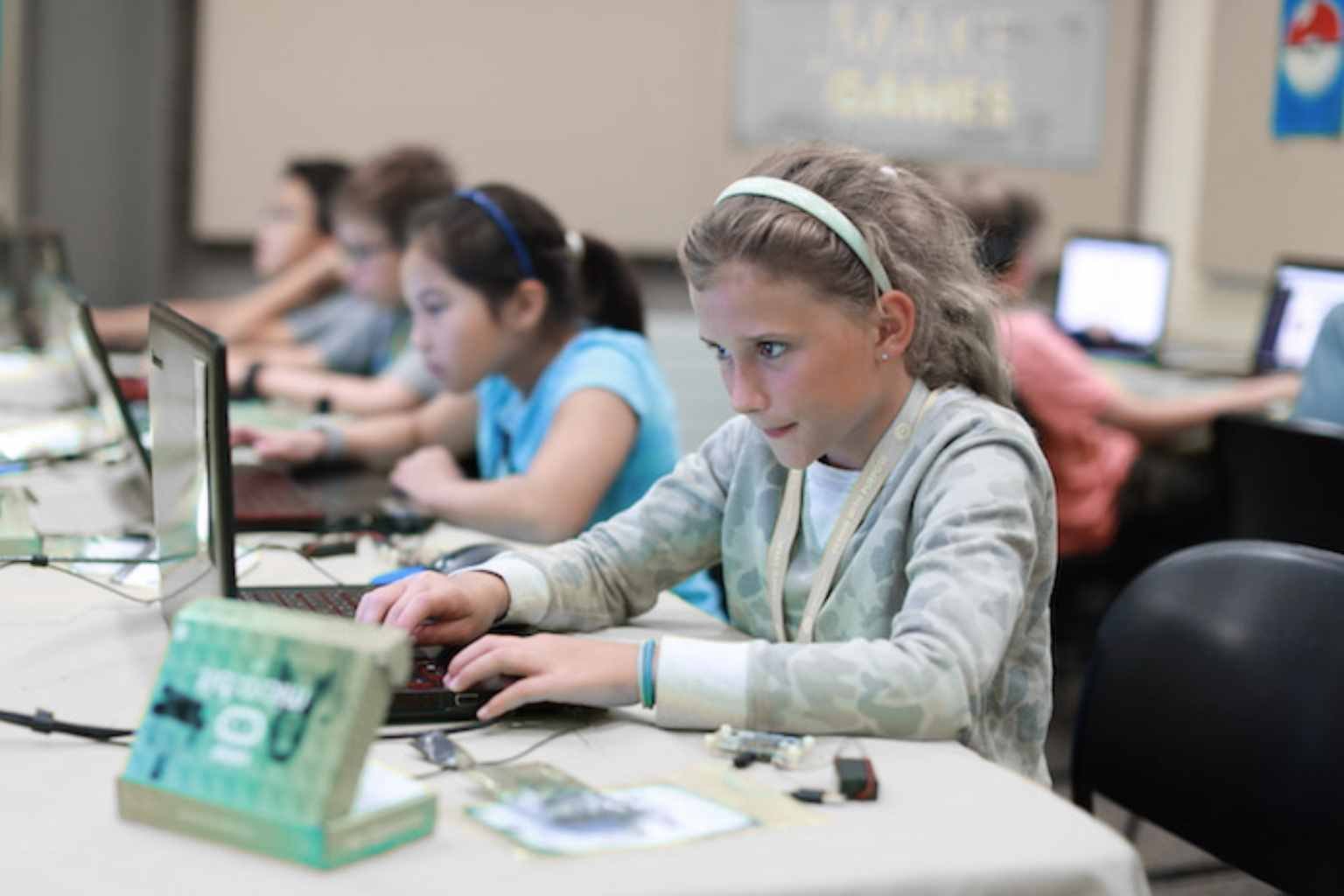
Coding is no longer the domain of software engineers or technology companies. Like reading, writing and basic arithmetic, the ability to program is being included in a well-rounded education. From smartphones and apps to virtual banking and smart homes, code runs in the background of modern day-to-day existence. When you learn how it works, you can move beyond operating systems and applications to making better decisions; they start to think more clearly, solve problems more effectively, adapt to change faster.
1. The World Runs on Code
Nearly everything we rely on today depends on software. But not only mobile apps and websites, traffic systems, health care devices and even home appliances depend on code. As technology increasingly infuses every part of life, rudimentary computer programming skills are even more important for people to better understand the systems around them.
2. Problem Solving Skills Are Gained Through Coding
Coding is great for teaching your kids to think logically. It teaches the mind to break large problems down into smaller steps and solve those through trial and error. These problem solving abilities are broadly useful beyond the computer and have relevance to studies, work, and everyday choices.
3. Tech Jobs Aren’t the Only Ones That Require Coding
Coding serves to support technology-related careers but also spills over into many other occupations. Designers, doctors, marketers, scientists and entrepreneurs alike use digital tools based on code. Learning to code helps professionals work better with their technical teams and allows them to utilize technology more efficiently.
4. Early Coding Education and Future Readiness
Coding is even taught in many schools at early ages. Early coding education enhances creativity, self-confidence and critical thinking. Kids learning to code adopt a growth attitude rather than a fear of tech.
5. Our Lives Are Growing Increasingly Digital
Routine activities like booking tickets, managing finances or working remotely rely on digital services. Basic understanding of coding is a useful tool in this age, to help people understand the flow of data, how automation works and what are certain pitfalls that you should avoid.
- Better understanding of apps and platforms
- Improved digital safety awareness
- Smarter use of automation tools
- Increased confidence with technology
- Ability to customize digital solutions
This is what makes computer coding applicable to everyday life.
6. Coding Encourages Creativity and Expression
Coding is not just logical, it’s creative. With code, people create games, websites, animations and digital art. It enables people to take concepts and turn them into tangible products, promoting innovation, and self-expression.
7. Automation and AI Increase the Need for Coding Literacy
As automation and AI develop, the need for knowledge about how systems are constructed is a necessity. Even a rudimentary knowledge of coding allows people to work alongside automated tools, rather than feeling supplanted by them. Coding literacy implies flexibility as jobs shift from one market to the other.
8. Coding Improves Career Flexibility
Jobs change rapidly, but things like learning how to code will maintain value across commerce. Even the most rudimentary knowledge of programming can open doors, enhance job security and spark career redevelopment. Programming skill keeps people employable in a technology based economy.
9. Common Misunderstandings About Learning Coding
Some think coding is too difficult or not for “people like them. In fact, today’s technology brings learning to all ages of people and their socioeconomic backgrounds:
- You don’t have to be good at math
- You might begin with some basic things you can see.
- Practice matters more than talent
- Mistakes are part of learning
- Anyone can learn basic coding
These are truths that make coding less scary.
10. Programming as a Life Skill in Modern Times
People who know technology moreso than we do will be more in control of our futures. But it makes people creators rather than just users. It is dedicated to the promotion of independence, rational decision making and useful learning in a digital world.
Key Takeaways
Coding is becoming an elemental life skill; technology pervades nearly every aspect of modern experience. It nurtures problem solving skills, creativity and digital confidence. In a digital world, where work, education and daily tasks increasingly depend on computer-based tools and systems, knowing some basic code can go a long way for people to adapt, stay relevant and thrive.
FAQs:
Q1. Do You Really Need to Learn Code?
With basic coding skills you can better understand and use the technology around you.
Q2. What is the best age to learn to code?
You can introduce someone to coding at a young age, but you can learn it whenever.
Q3. Do I have to be good at math to code?
Hell no, Common sense and problem solving skills are more important than high math.
Q4. How long would it take to learn coding for beginners?
Fundamental skills can be achieved in a matter of weeks with consistent training.
Q5. How useful are coding skills in non tech roles?
Yes, it enables efficiency, communication and adaptability across many professions.
